IEC urges voters to verify information before sharing online
By: Sonwabile Luthango | Newlands – Cape Town
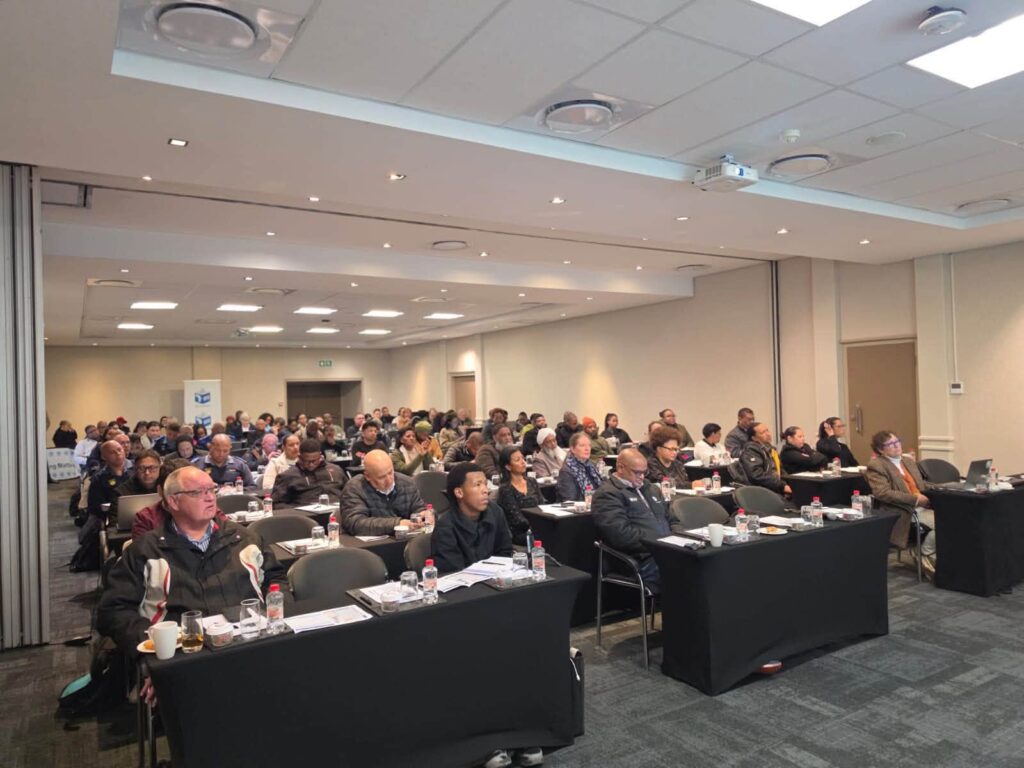
As South Africa prepares for the 2026 Local Government Elections, the Electoral Commission of South Africa (IEC) is urging voters and social media users to think carefully, verify information and avoid sharing unverified election-related content.
The call was made during the IEC Western Cape Multi-Stakeholder Engagement held at the Southern Sun Hotel in Newlands, Cape Town, where stakeholders discussed their role in supporting free, fair and credible elections.
IEC Commissioner Janet Love highlighted the growing challenge of misinformation and disinformation, particularly on social media, and urged users to be cautious about what they read, watch and share.
Speaking to Dizindaba Media after the engagement, Love said social media users should take particular care when dealing with election-related information.
“Well, we ask those who are on social media to take care,” Love said.
She warned that some online content contains deliberate falsehoods, while advances in artificial intelligence (AI) are also making it easier to create convincing but misleading photographs, videos and other material.
“Some social media involves footage that has been created using artificial intelligence, so check before you repost,” she said.
Love compared the need for caution online to warnings people regularly receive from banks, workplaces and other organisations about suspicious links and messages.
She encouraged users to verify information, particularly when something appears difficult to believe.
“Secondly, when you see something that is not very believable, try and verify it,” she said.
Public urged to use Real411
Love also encouraged members of the public to report suspected election-related misinformation and disinformation through Real411, a platform that allows members of the public to report harmful digital content.
Real411 currently provides a dedicated platform for election-related complaints and describes digital disinformation as false, inaccurate or misleading information deliberately created or presented in a way that can cause public harm. Complaints are considered through its Digital Complaints Committee, with election-related complaints shared with the IEC’s Directorate for Electoral Offences.
“The third thing is if you have something that you see is really disinformation or misinformation, we have a platform called the Real411,” Love said.
The public can also report other forms of online harm through Real411, including hate speech, incitement to violence and harassment. Complaints can be considered by the relevant structures and, depending on the circumstances and findings, may be referred to online platforms or other appropriate bodies.
Report election-related disinformation through Real411
Preparing communities for the elections
The stakeholder engagement also focused on broader preparations for the 2026 Local Government Elections.
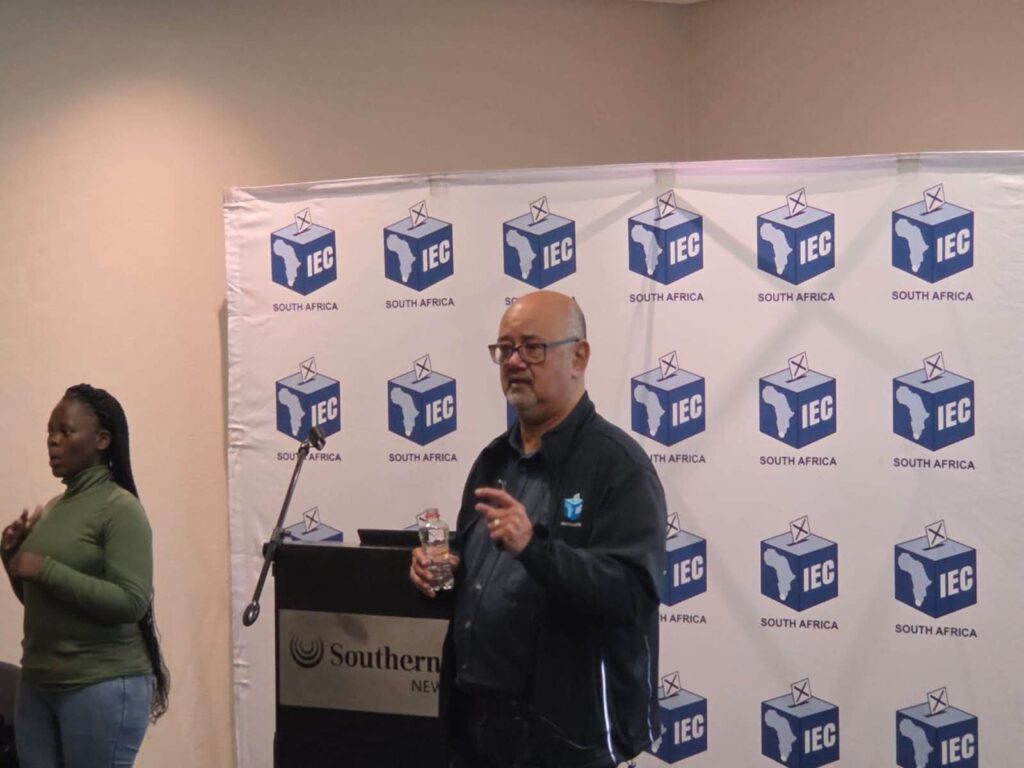
Michael Hendrickse provided an overview of the elections and discussed the Electoral Code of Conduct, including activities that are permitted on Election Day.
The importance of reaching communities that have limited or no access to the internet was also highlighted. The IEC said it has been working with stakeholders, including the Department of Home Affairs, to reach rural communities and assist citizens in preparing for the elections.
Stakeholders also raised concerns about communities that remain difficult to reach and called for greater cooperation between institutions and community-based organisations to ensure that eligible South Africans have the information they need to participate in the elections.
Geoff Mamputa addressed conflict management in the province, while discussions also covered the safety of voters and IEC officials.
Planning for unforeseen circumstances
Stakeholders questioned the IEC about its preparedness for unforeseen circumstances that could affect voting.
These included possible weather-related emergencies, such as floods, as well as situations where a registered voter could lose identification documents and other possessions during a disaster before Election Day.
The role of independent community media in disseminating election information was also raised, particularly because community newspapers and other local media platforms are often deeply connected to the communities they serve.
Stakeholders also discussed the speed at which information spreads through social media and the need for accurate, accessible election information to reach communities quickly.
The IEC urged stakeholders to familiarise themselves with its online platforms and available election information.
Questions were further raised about voter education in indigenous languages and the accessibility of the electoral process for people living with disabilities, including people who are blind.
The IEC acknowledged that accessibility and voter education remain areas requiring ongoing improvement and said it continues to work within the resources and budget available to it.
Voters urged to remain vigilant
As social media becomes an increasingly important source of information for voters, the IEC’s message is for South Africans to pause before sharing election-related content.
Voters are encouraged to check the source, verify information through reliable channels and report suspicious content rather than helping it spread further.
Love also emphasised that citizens’ responsibility does not end when they cast their ballots.
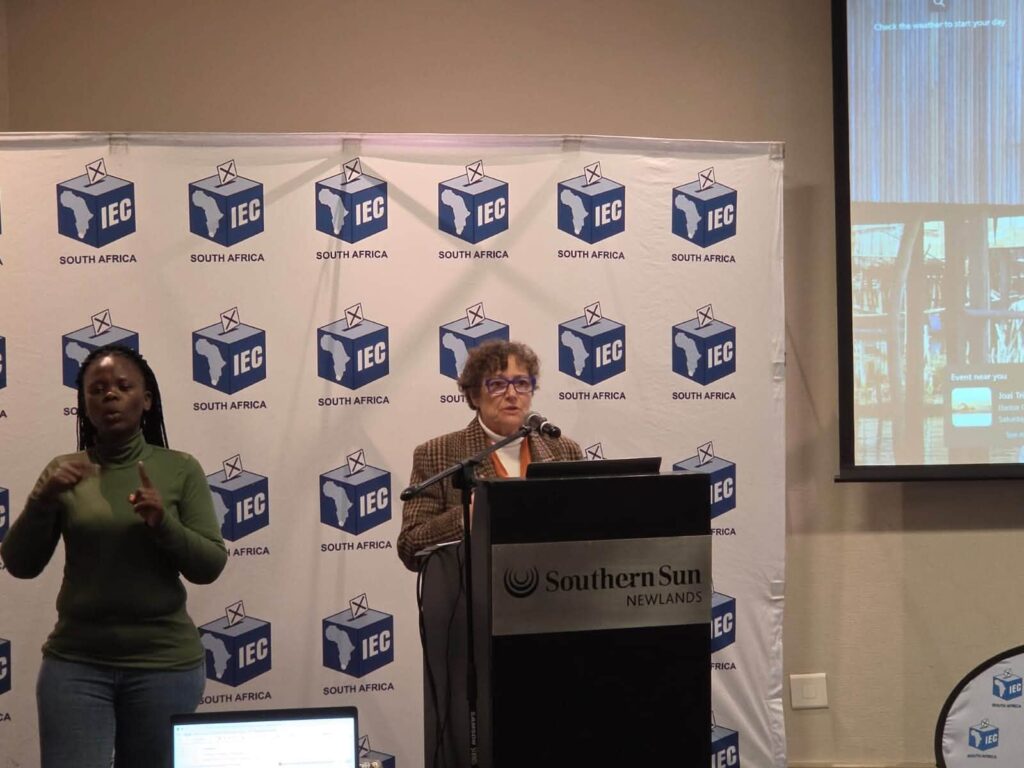
“Our democracy is not achieving what elections had hoped for, that is a reality. What is important is for voters to be vigilant after voting,” said Love.