When We Tell Their Stories in Their Language, We Touch Their Hearts
27 August 2026 | Dizindaba Staff Reporter | Cape Town
For Dizindaba Iphephandaba lesiXhosa, journalism has always been about more than reporting the news. It is about people. It is about identity, dignity and making communities feel seen, heard and valued.
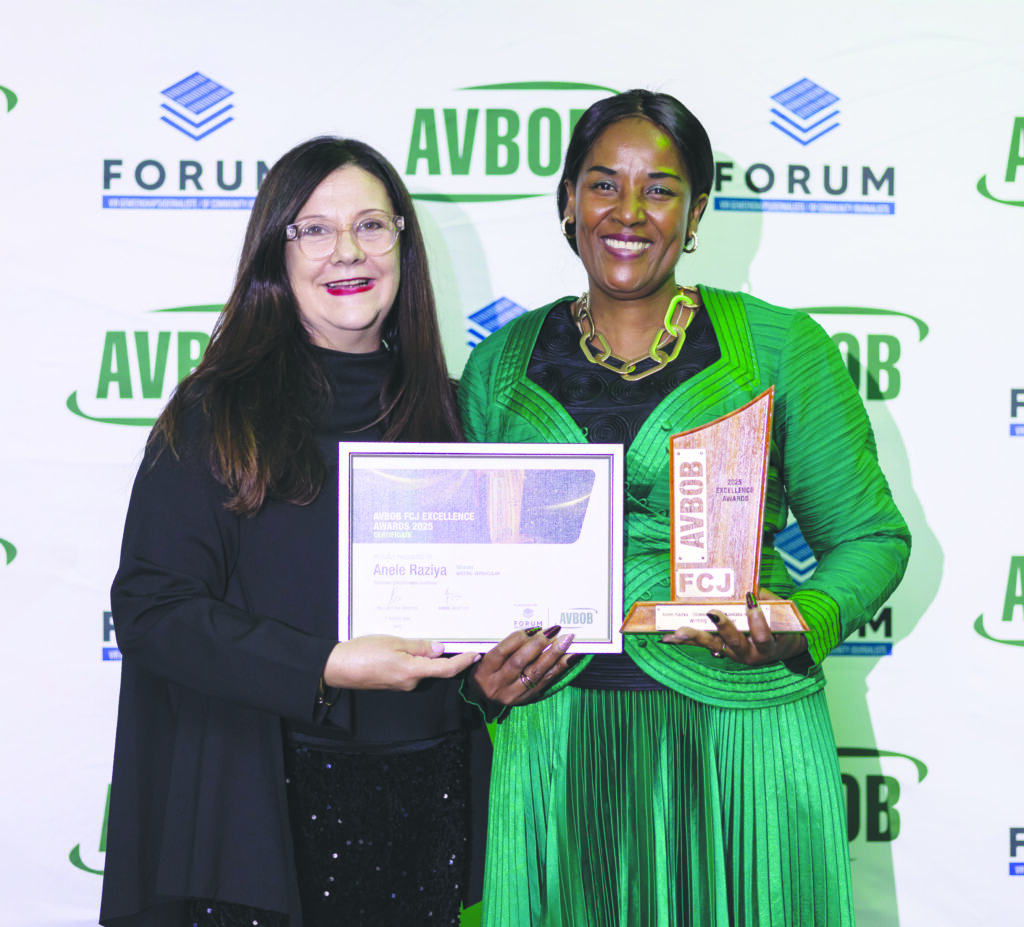
That is why the recent success of three Dizindaba journalists at the 2025 AVBOB FCJ Excellence Awards means so much to us.
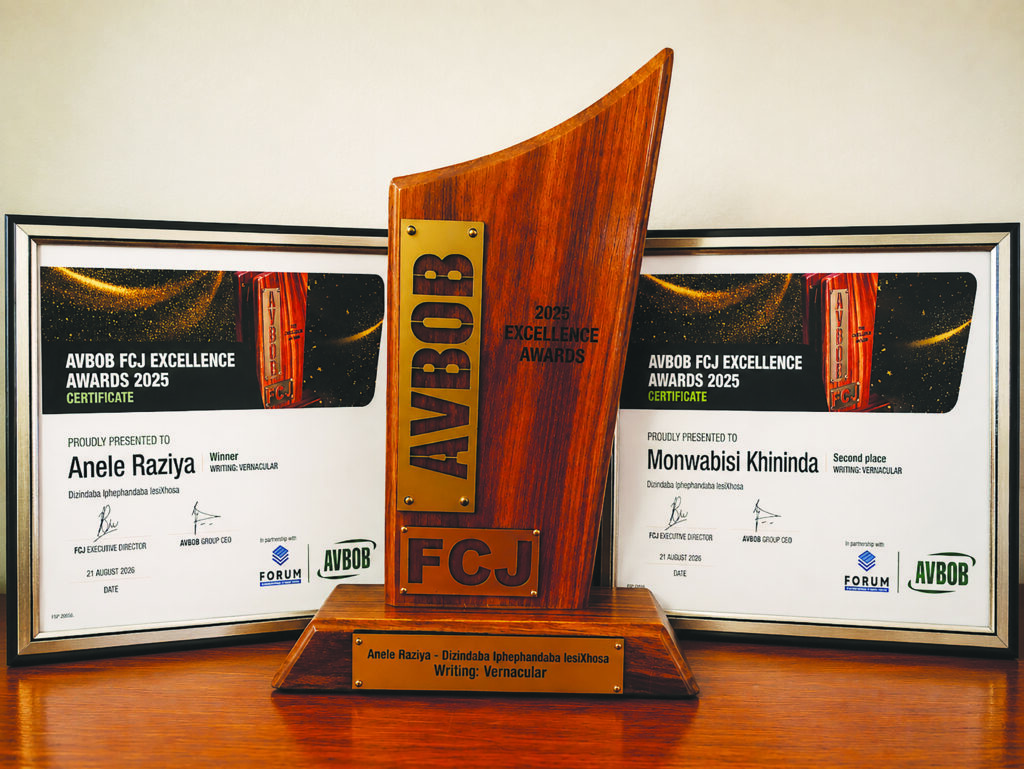
Ntsikelelo Jonga, Monwabisi Khininda and Anele Raziya were recognised in the Vernacular Language Writingcategory for their work at Dizindaba. Anele took first place, Monwabisi second and Ntsikelelo fourth. Their achievement is a tremendous honour, not only for the journalists, but for Dizindaba and the isiXhosa-speaking communities we serve.
The awards, which attracted more than 600 entries across 17 categories, are a powerful reminder of the quality and diversity of community journalism in South Africa.
But for us, this recognition goes deeper.
At Dizindaba, we believe that when you tell a person’s story in the language they think, dream, laugh, cry and pray in, you connect with their heart in a different way.
When our readers open the newspaper and find the names of their neighbours, schools, churches, community leaders, children and local heroes written in isiXhosa, something special happens. They do not simply read a story — they see themselves reflected in the pages of their own newspaper.
That is the power of vernacular journalism.
For too long, many communities have had their stories told primarily through languages that are not their own. Dizindaba was created to help change that. We want our readers to know that their language matters, their stories matter and their communities matter.
Our journalists understand this responsibility. They are not simply gathering information; they are telling stories from within the communities they serve. They give a voice to people whose experiences can easily be overlooked and help preserve and celebrate the isiXhosa language through journalism.
The AVBOB FCJ recognition therefore belongs to more than three journalists. It belongs to every reader who has ever picked up Dizindaba and said, “Nantsi ke, le yiphephandaba lam.” — Here it is, this is my newspaper.
It belongs to the grandmother who finds comfort in reading in her mother tongue, the young person who sees possibilities in the stories of people from their community, and the ordinary citizen who finally sees their own life reflected in the media.
Community journalism is ultimately about trust, accountability and giving people access to information that affects their daily lives. But language is what allows that information to travel from the page into the heart.
At Dizindaba, we will continue to write in the language of our people, because we know that when we speak to people in their language, we do not only reach their minds — we touch their hearts.
And perhaps that is the greatest award of all.