
Standard Bank’s $10 million pledge to African Women Impact Fund sparks a call for real transformation
By Staff Reporter
Johannesburg
Standard Bank has committed $10 million to the African Women Impact Fund (AWIF), marking a significant step towards reshaping Africa’s investment landscape by empowering women fund managers. The announcement was made at the G20 Empowerment of Women Working Group’s Women to Africa event, co-hosted with the Department of Women, Youth and Persons with Disabilities (DWYPD), at the Inanda Club in Sandton.
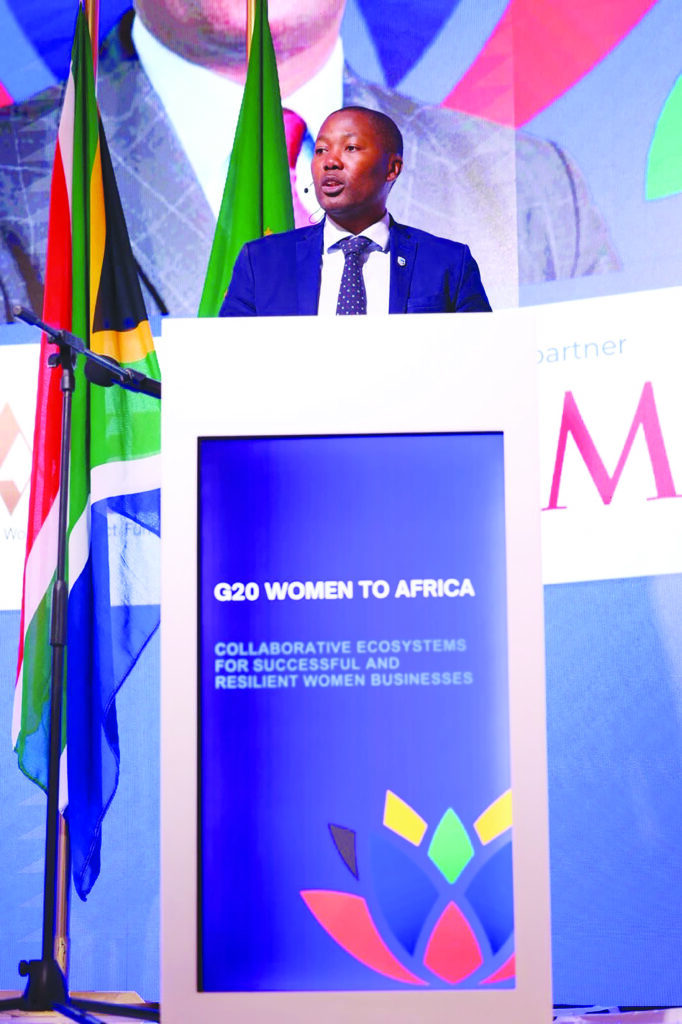
“We are proud to be at the forefront of this initiative,” said Luvuyo Masinda, Chief Executive of Corporate and Investment Banking at Standard Bank. “Our focus is on driving sustainable growth across Africa by mobilising capital for women-owned businesses. By strengthening the role of women as fund managers and decision makers, we are helping expand access to finance, unlock opportunities and drive growth.”
More than a pledge — a demand for action
While the $10 million investment was welcomed as a landmark commitment, the tone of the event made it clear that women leaders across the continent want more than symbolic gestures. Speaker after speaker called for structural reforms, accountability, and deliberate inclusion in Africa’s financial systems.
“This is not a high tea event, we mean business,” said Advocate Mikateko Maluleke, Director-General of the DWYPD. She challenged the room to think beyond funding gaps, urging African leaders to build industries from Africa’s own resources — from lithium for solar power to textiles and the ocean economy.
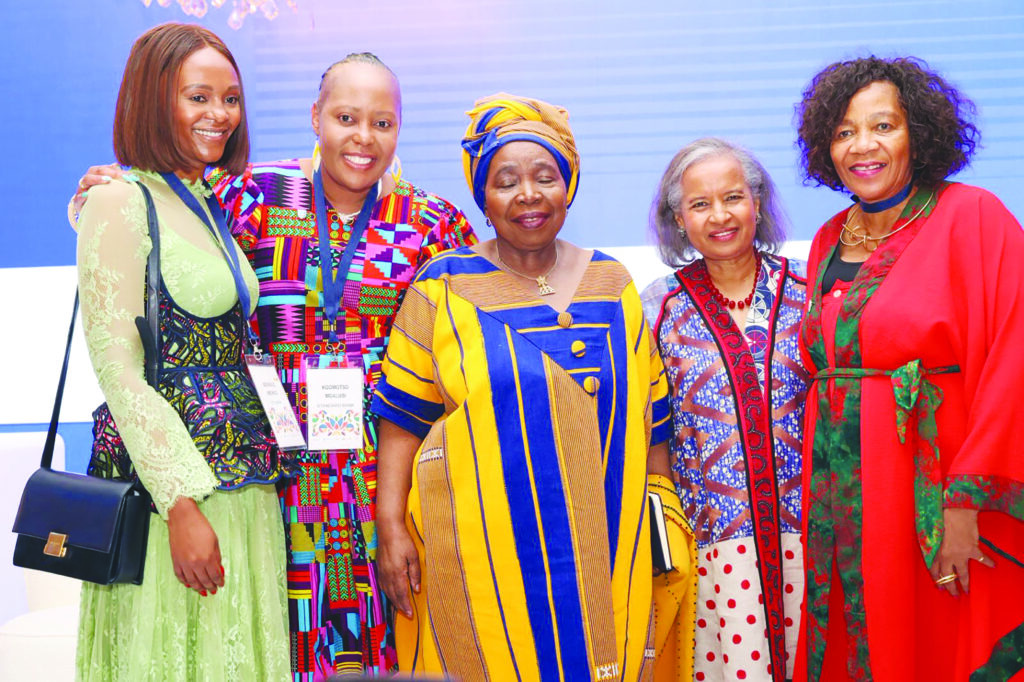
Former AU Commission Chairperson Dr Nkosazana Dlamini-Zuma echoed this, warning that Africa cannot afford to remain a raw exporter of minerals, cotton, and cocoa while importing finished products at inflated prices. “Women farmers don’t own land, yet they feed families. Women must own land. Women must be part of mining, energy and inter-African trade. Development lies in women and youth,” she said.
The case for women in finance
The African Women Impact Fund is a Pan-African, gender-lens initiative developed under the UN Economic Commission for Africa, UN Women, and the African Union Commission. Research shows that women fund managers are twice as likely to invest in women-led businesses — creating a ripple effect that accelerates financial inclusion.
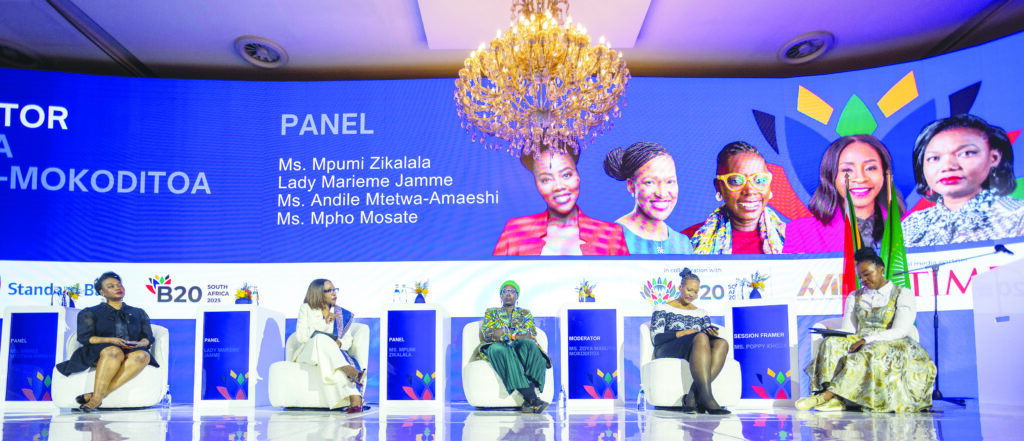
Standard Bank’s Lindeka Dzedze, Executive Head of Strategic Partnerships Global Markets and Chair of AWIF, emphasised intentionality: “This is why we must be deliberate about gender-focused investing and ensure women are represented in decision-making roles in the investment industry.”
Shifting power, not just narratives
The event also carried a strong warning: conferences do not change the world, systems do. Minister Sindiswa Chikunga highlighted three urgent areas — the care economy, financial inclusion, and ending gender-based violence. “Women should not have to pay with their bodies to secure jobs. Action, capital, and responsibility must be our collective agenda,” she said, quoting Graça Machel.
From student voices demanding free sanitary pads to aviation leaders pointing to 300,000 potential jobs in the sector by 2030, the day underscored that transformation must cut across generations and industries.
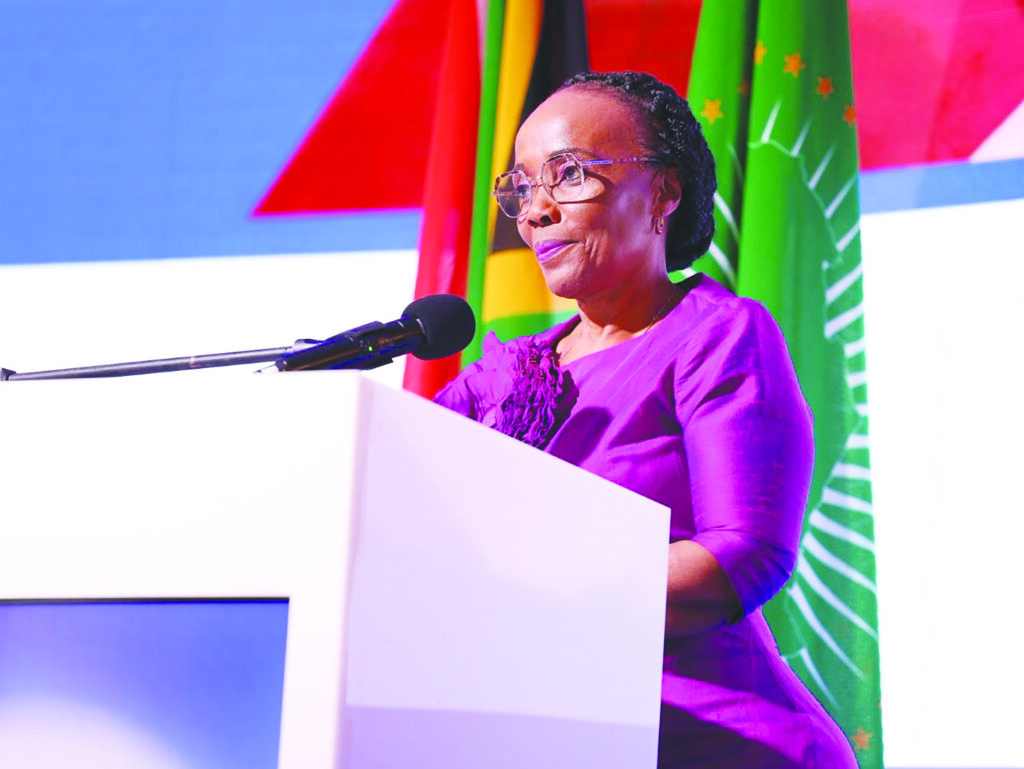
AUDA-NEPAD CEO Nardos Bekele-Thomas reminded the gathering that empowerment is not just about finance, but also digital literacy, mental resilience, and compassion.
A shared responsibility
Closing the event, leaders stressed the importance of partnerships that move beyond promises to measurable change. “This will not be written in conferences but in proof of implementation,” said Minister Chikunga.
Standard Bank’s $10 million pledge was seen not only as a financial commitment but as a test of Africa’s seriousness about placing women at the centre of its economic renewal. As Masinda put it: “Commitment must transfer into action. We can no longer do things in isolation. Working together transforms communities.”

