Domestic animal survey results are in
Press Release
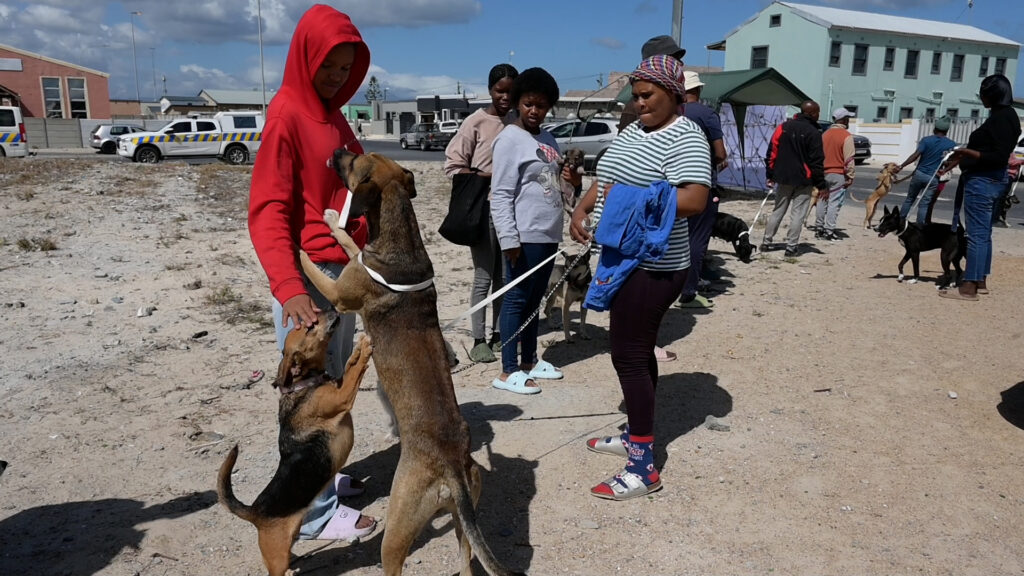
The survey, conducted over a period of 10 weeks, counted over 32 000 animals. More importantly, the data gathered from the exercise has been used to set up a spatial data dashboard available to the public.
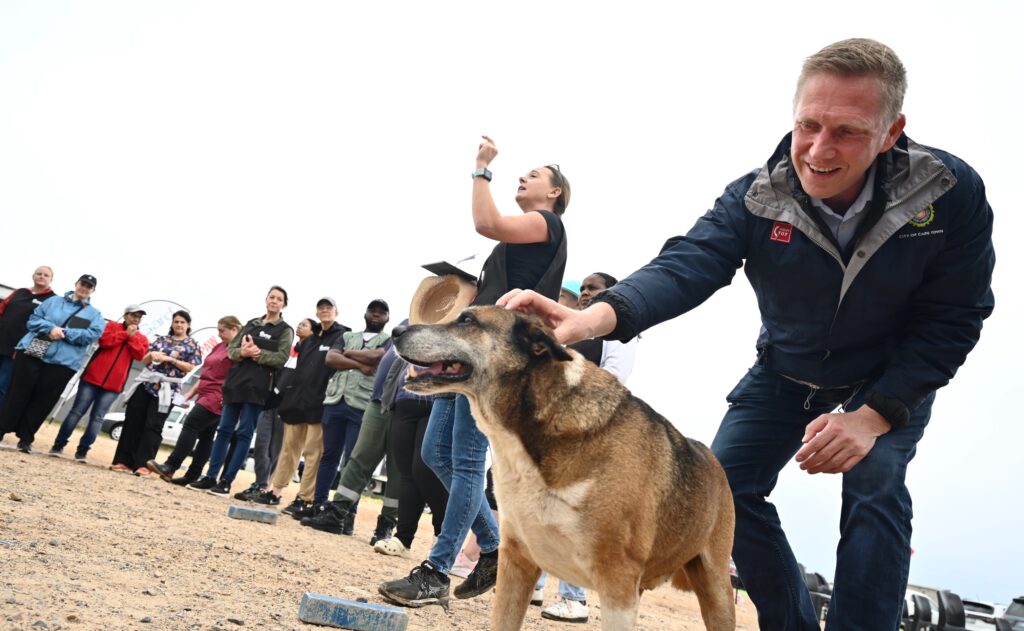
‘It’s a happy coincidence to announce the findings of our survey on World Animal Day, which advocates for saving and protecting animals. This encapsulates the essence of our domestic animal survey, which set out to gather data that will help us improve animal welfare and public health. This was also the first survey of its kind in the country, and I want to thank our staff members, other City departments and external partners who had a hand in making it happen. We could not have done this without you. Also to the public who participated – thank you for your contribution to this very important issue,’ said Mayoral Committee Member for Safety and Security, Alderman JP Smith.
The Domestic Animal Survey was conducted between 17 March and 31 May 2025, bringing together multiple departments and directorates, including the Safety and Security Directorate’s Animal Control Unit, the Public Participation Unit, the EPIC Unit, the Spatial Planning and Environment Directorate, and Environmental Health, in close collaboration with local NGOs and community ambassadors.
More than 13 000 residents across 140 communities participated through in-person surveys, while more than 9 000 persons did the survey online – with just over 6 000 completed in full.
The survey returned an animal count of 32 185 – 1 749 of which were documented during drone flyovers and manual counts.
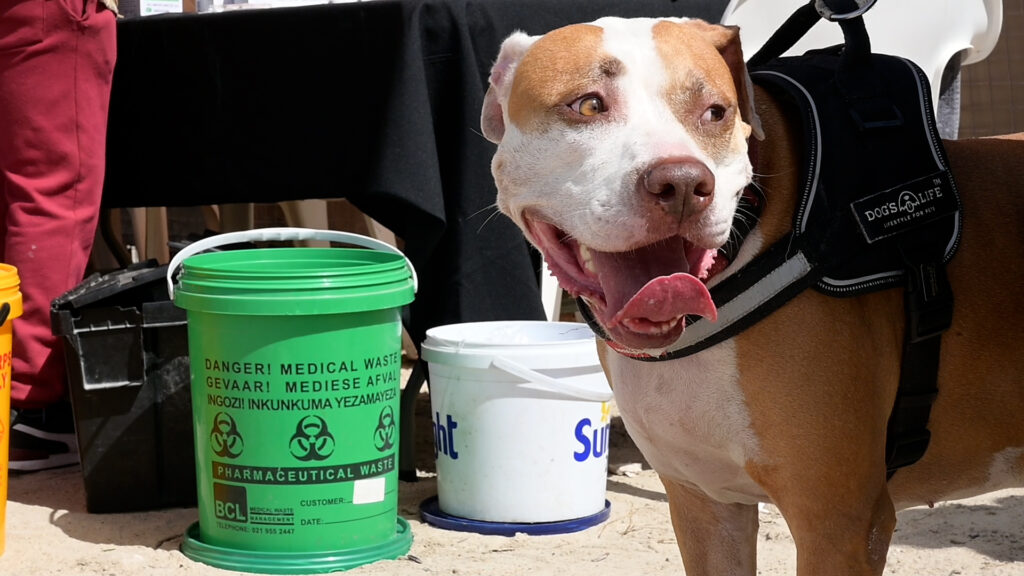
In addition, sterilisation drives in partnership with animal welfare organisations in Khayelitsha, Lavender Hill and Philippi, with more than 600 participants – offering medical care and pet sterilisations.
The City has created a Spatial Data Dashboard that makes findings accessible and transparent to residents, stakeholders, and policymakers.
This collaborative effort not only strengthens animal welfare and reduces stray populations, but also ensures that resources are better allocated, public safety is enhanced, and future policies are guided by reliable, data-driven insights.
The survey also highlighted a particular challenge relating to informal farmers.
There are no existing records or databases that can help determine the scale of informal farming, and many were reluctant to share information or participate in the survey.
‘It is important that we build a relationship with this sector, as they are key roleplayers in our efforts to achieve improved animal welfare and public safety. An ongoing concern is animals grazing along major highways, which is a major safety risk to road users. We will engage with the Department of Agriculture and the State Veterinarian to see how we are able to bridge this gap,’ added Alderman Smith.