Thousands protest to end violence against women
Government classifies GBV and femicide a national disaster, but it’s unclear what policies will follow from this
By: Ashraf Hendricks, Ihsaan Haffejee, Ishmael Mabena, Johnnie Isaacs, Thamsanqa Mbovane and Tsoanelo SefolokoNews | South Africa
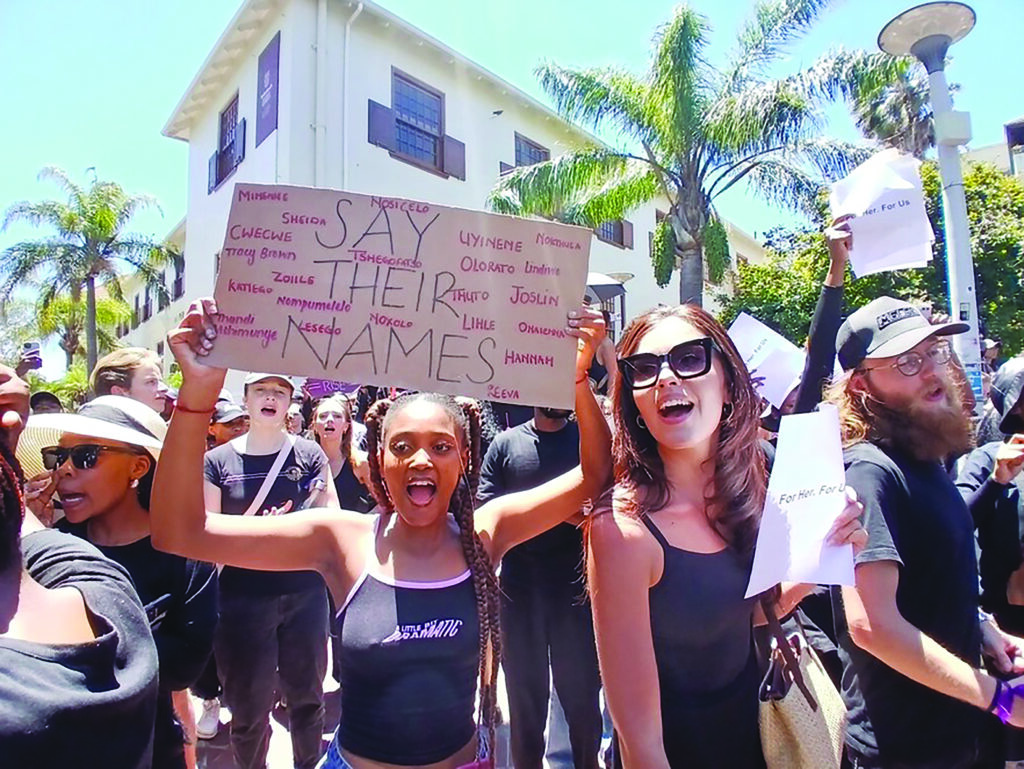
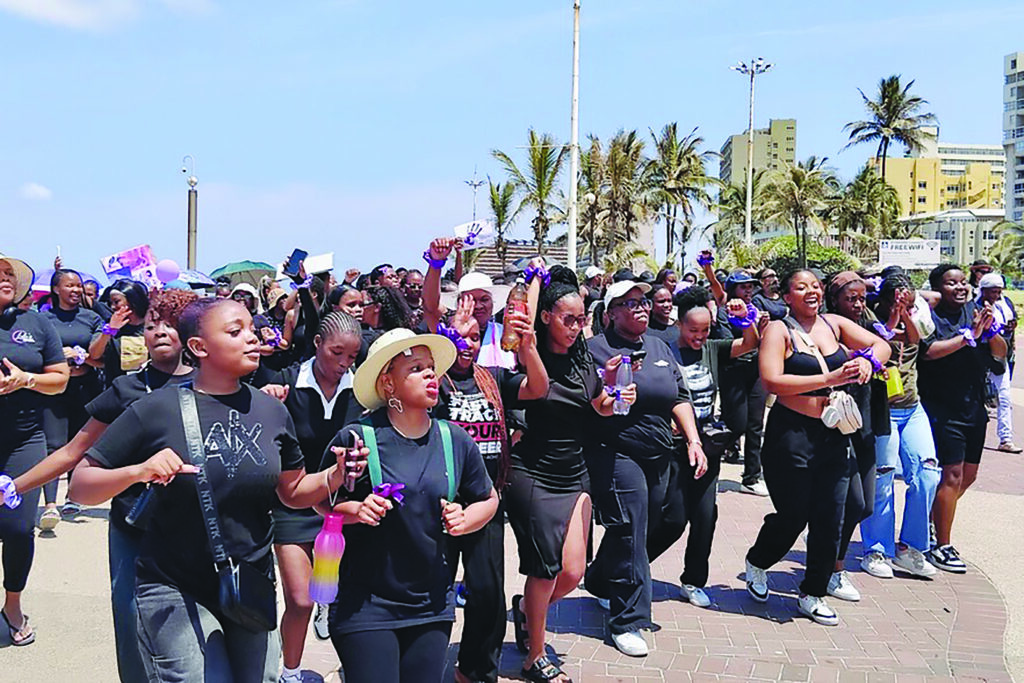
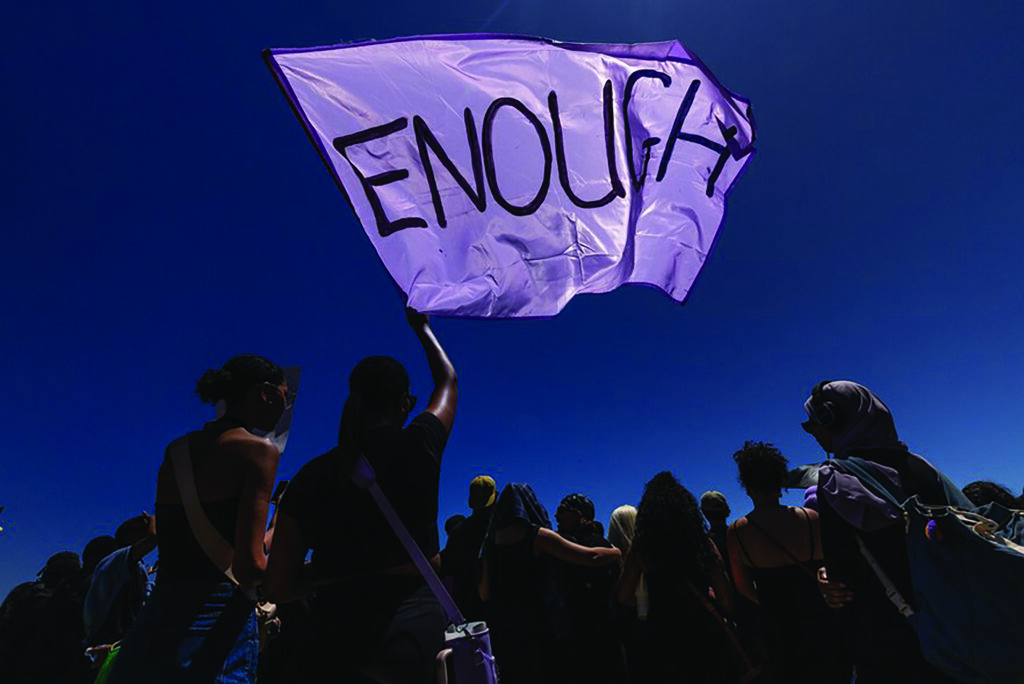
Large demonstrations were held across the country on Friday against gender-based violence, in answer to a nationwide call by what has become known as the Purple Movement.
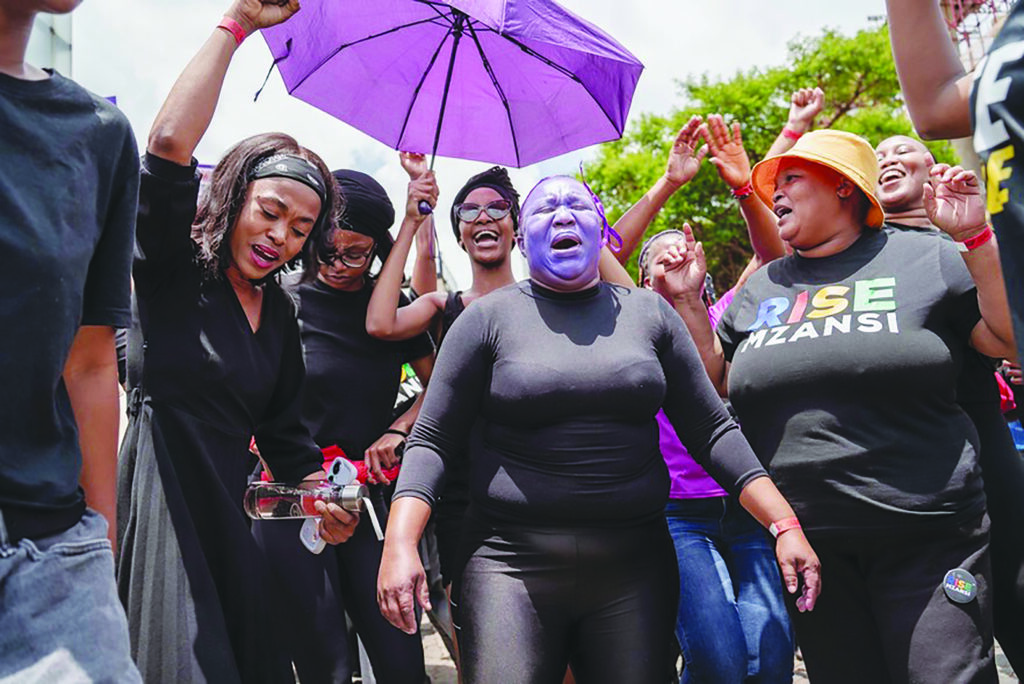
The protest was timed to coincide with the start of the G20 summit hosted by South Africa.
Head of the National Disaster Management Centre Bongani Elias Sithole has classified GBV and femicide a national disaster in terms of the Disaster Management Act.
Minister of Cooperative Governance and Traditional Affairs Velenkosini Hlabisa welcomed the decision. Hlabisa said that the “persistent and immediate life-safety risks posed by ongoing acts of violence” means that GBV and femicide now meets the “threshold of a potential disaster as defined in the Act”.
Hlabisa noted: “Importantly, this classification does not invoke emergency powers. Instead, it reinforces and strengthens the systems already in place, binding together key initiatives.”

Women for Change, founded in 2016, called on “all women and members of the LGBT+ community across South Africa to refrain from all paid and unpaid work in workplaces, universities, and homes, and to spend no money for the entire day to demonstrate the economic and social impact of their absence”.
“Until South Africa stops burying a woman every 2.5 hours, the G20 cannot speak of growth and progress.”
The movement had also launched a petition to have GBV and femicide declared a national disaster, which has now been answered.
It says: “This crisis demands the immediate mobilisation of national resources and unwavering political commitment on an unprecedented scale to strengthen and transform the national response to the epidemic of violence against women and children.”
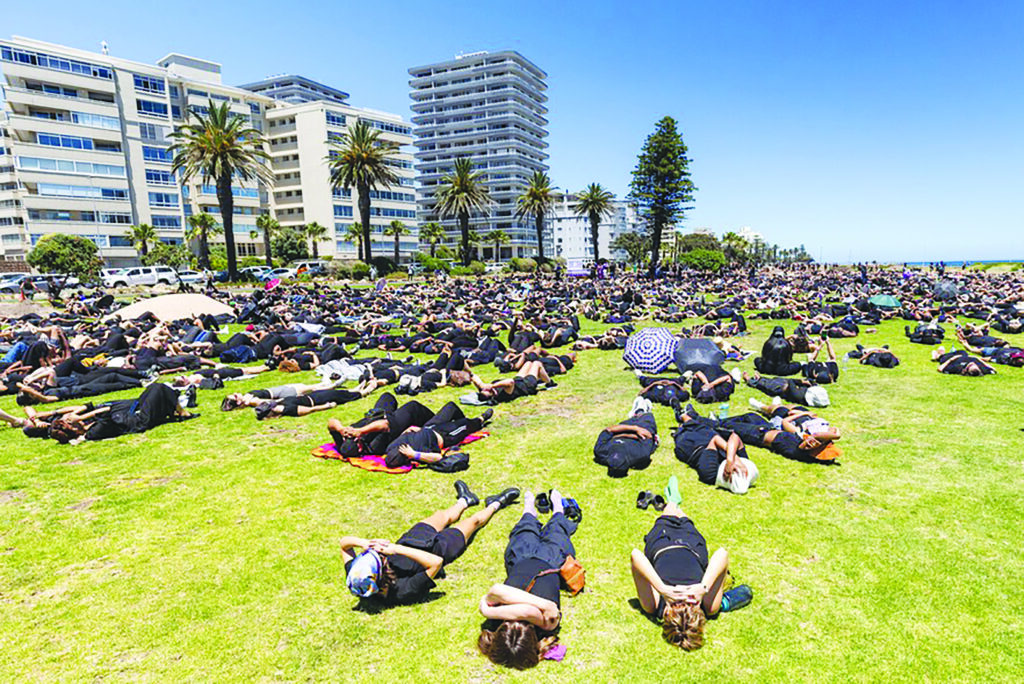
The petition sets out a range of actions it wants government to take, including judicial and legislative reforms, funding to implement national strategic plan on GBV and femicide (signed by President Cyril Ramaphosa in April 2020), the full implementation of the National Council on Gender-Based Violence and Femicide Bill, public access to a national sex offenders register, and mandatory education and ongoing awareness campaigns.