Albinism: Understanding the Condition, Protecting Lives and Challenging Myths
By: Dizindaba Staff Reporter | South Africa
Albinism is a genetic condition that affects the production of melanin, the pigment responsible for the colour of the skin, hair and eyes. It is present from birth and can affect people of all races and backgrounds. Albinism is not contagious, and it is not caused by anything a person or their parents have done.
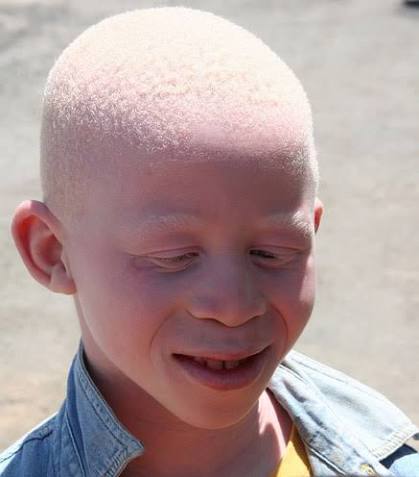
People with albinism often have very light skin and hair and may experience various degrees of visual impairment. Their lack of melanin also means that their skin is particularly vulnerable to ultraviolet (UV) radiation from the sun. This makes sun protection and regular medical care extremely important. (Government of South Africa)
Protecting the skin
One of the most serious health concerns for people with albinism is the increased risk of sun damage and skin cancer.
The National Department of Health recommends measures such as avoiding intense sun exposure, wearing protective clothing and wide-brimmed hats, using sunscreen and regularly checking the skin for suspicious spots or growths. People with albinism should also have regular skin examinations and be referred to a dermatologist when necessary. (Health South Africa)
Government health guidance also recommends SPF 30+ sunscreen, protective clothing and sunglasses, particularly when spending time outdoors. (Vukuzenzele)
A new sore, changing spot, unusual growth or wound that does not heal should not simply be ignored. Early medical attention can make an important difference.
Looking after the eyes
Albinism can also affect vision. Some people experience reduced visual acuity, sensitivity to bright light, involuntary eye movements or difficulty with focusing.
Regular eye examinations by an optometrist or ophthalmologist can help identify vision problems and determine whether glasses, low-vision support or other forms of visual rehabilitation are needed. The Department of Health specifically recommends referral to an ophthalmologist for visual rehabilitation and regular eye checks. (Health South Africa)
Beyond healthcare: fighting stigma and discrimination
For many people with albinism, the challenges go beyond healthcare.
People with albinism can experience bullying, discrimination, social exclusion and harmful myths and misconceptions. South Africa’s government has recognised the need to promote their inclusion in healthcare, education, employment and community life and to challenge stigma. (Government of South Africa)
It is important that families, schools, workplaces, communities and the media help create an environment in which people with albinism are treated with dignity and respect.
Albinism does not define a person’s abilities, intelligence, potential or worth.
Children with albinism should be supported to participate fully at school, while teachers should be aware that visual impairment may require practical accommodations, such as appropriate seating, larger print or additional learning support.
Where can people with albinism get help in South Africa?
People living with albinism, parents and families do not have to face these challenges alone.
Albinism Society of South Africa (ASA)
Albinism Society of SA
Albinism Society of SA Address: 187 Lara’s Place, Lilian Ngoyi St, Johannesburg, 2000, South Africa Phone: +27118386529
The organisation provides support and advocacy for people with albinism and works to raise awareness about their rights and needs. It can be an important starting point for people looking for information and support.
Western Cape Albinism and Hypo-pigment Foundation
Western Cape Albinism and Hypo-pigment Foundation
Western Cape Albinism and Hypo-pigment Foundation Address: 33 Ntlazane Rd, Ilitha ParkParow, Cape Town, 7784, South Africa Phone: +27213610106
Based in the Western Cape, the organisation can provide a local point of contact for people and families seeking albinism-related support.
Public healthcare facilities
People can also start by visiting their nearest clinic or community health centre. Healthcare workers can assess concerns and make referrals to the appropriate services, including dermatology and eye care. The National Department of Health’s current primary healthcare guidance specifically provides for dermatology and ophthalmology referrals for people with albinism. (Health South Africa)
For people in Cape Town who need specialist eye care, an ophthalmology service such as Atlantic Eye Specialist Centre may be another point of enquiry, although patients should confirm costs, referral requirements and whether the service is appropriate for their needs.
A message to our communities
Albinism should not be surrounded by fear, shame or superstition. It is a genetic condition, and people with albinism deserve the same dignity, opportunities, protection and respect as everyone else.
As communities, we can make a difference by learning the facts, challenging harmful myths, protecting children from bullying, supporting people with albinism to access healthcare and speaking out against discrimination and violence.
Most importantly, see the person before the condition.
If you or someone in your family has albinism, speak to your local healthcare facility or an albinism support organisation for appropriate medical and psychosocial guidance. This article is intended for public education and does not replace professional medical advice.