CARD SURCHARGES CONTINUE TO BURDEN LOCAL COMMUNITIES IN THE WESTERN CAPE
By: Shamila Pieterse | Western Cape
Customers in some communities within the Western Cape are still facing additional charges when paying with their bank cards at local spaza shops.
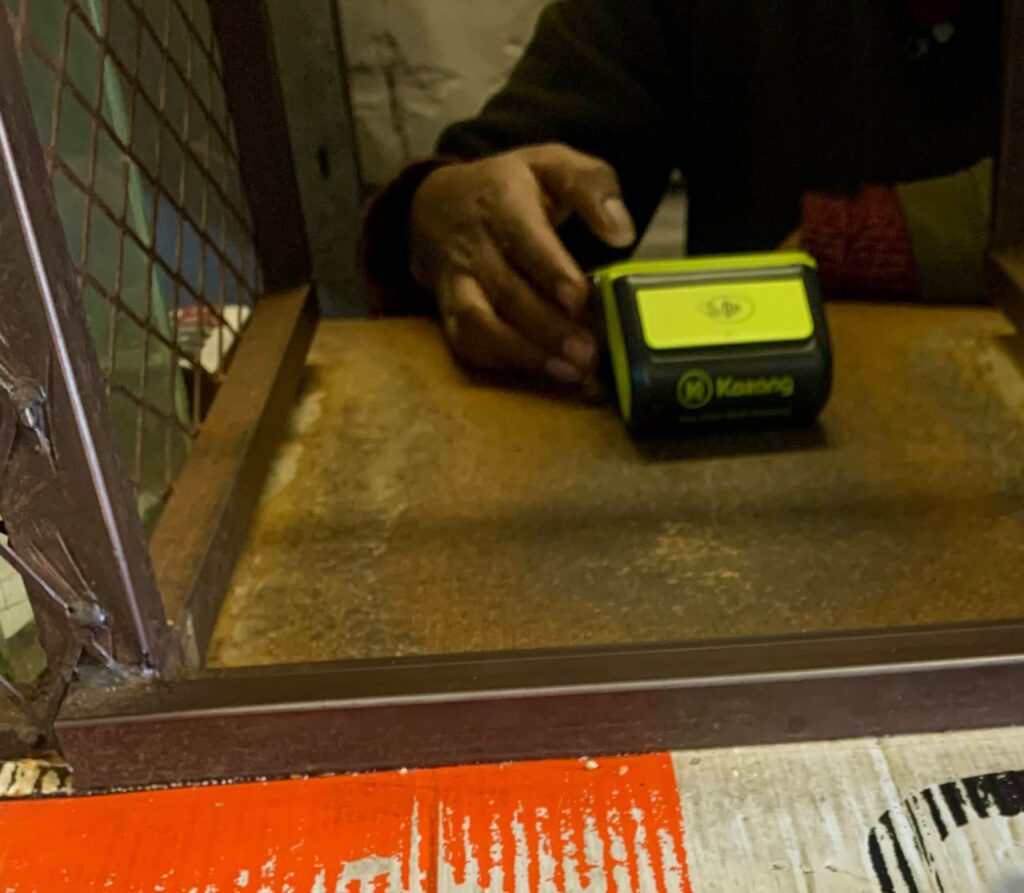
Customers are often told by business owners that the extra fees are to pay the company providing the card machine. Many local spaza shops use Kazang payment machines. Kazang responded that merchants using its machines are not permitted to ask extra fees to customers transactions. “The customer should provide the account number of the specific vendor so that the company can issue a warning,” Kazang said.
This can leave the customers in a difficult position when they question the additional charges. This may lead to arguments with the vendors and in some cases, being told to leave the shop.
Several organisations were contacted to understand where customers stand when they are charged additional fees and where they can report the matter. These organisations are the National Consumer Commission, Consumer Goods and Service Ombudsman, Payment Association of South Africa (PASA), the Western Cape Consumer Protection office and the Consumer Goods Council of South Africa.
What PASA said
Individual surcharges are outside of PASA direct control. The organisation operates under a mandate from the South African Reserve Bank to develop and maintain payment system rules. PASA said merchants are not allowed to charge extra for purchases made with card and recommended that customers must report the matter to their bank for assistance.
What the Consumer Goods and Service Ombudsman said
No merchants in South Africa may add an extra surcharge to customers for using a debit or credit card. The Consumer Protection Act in Section 23(3) of the Consumer Protection Act 68 of 2008, subsection (4) a retailer must not display any goods for sale without displaying to the consumer a price in relation to those goods. If a supplier has not corrected the charge after bringing it to them attention, lodge a complaint with the CGSO.
The CGSO is mandated to issue a recommendation the supplier. Should a recommendation not be accepted by a supplier the complaint is then entitled to lodge a complaint with the National
Consumer Commission. The National Consumer Commission may then proceed with the matter to the National Consumer Tribunal.
Section 112 of the CPA the National Consumer Tribunal may issue a fine in respect of prohibited conduct which may not exceed the greater of 10 per cent of the supplier’s annual turnover during the preceding year of 1 million rand.
Consumers must understand what they are being charged for and must raise a complaint if this is not corrected.
Other organisations
At the time of publication, the other organisations contacted had not responded to the requests for comments.
What customers facing extra charges can do
If you believe you have been charging an additional fee. Ask for clear pricing before making any payments. Ask for a till slip or receipt as proof of the transaction. Take note of the payment machine used by the vendor as well as the vendors details. Report the matter to the company providing the payment machine or contact the bank for assistance. As well as lodge a complaint with the Consumer Goods and Service Ombudsman.
For consumers living in smaller communities where ATMs are limited these fees can become a bigger problem. Small fees build up, which leaves households depending on SASSA grants or temporary employment struggling for the remain of that month.